


Engagement ring resizing costs depend on the ring’s metal, construction, condition, and the size adjustment; get an itemized quote after a jeweler inspects your ring. The average cost for Balacia to resize, clean, and polish a ring is $50-95, not including shipping (if applicable). Ask your local repair shop whether the quote includes stone tightening, refinishing, and any plating, because those tasks are separate from changing the band’s size. This 2026 guide explains what affects the work and how to choose a safe adjustment without losing the details you love.
- How much does it cost to resize an engagement ring? Get an inspection-based quote covering metalwork and finishing.
- Balacia offers engagement rings and custom design options; ask a jewelry expert about fit before choosing your setting.
- Stone placement and band condition matter more than the center diamond’s shape when assessing resizing.
- Confirm stone checks, engraving preservation, and finishing before authorizing engagement ring resizing.
How much does it cost to resize an engagement ring?
The useful number is the quote for your ring’s actual work, not a general resizing estimate. A plain lower band and a band covered in small diamonds present different jobs, even when both need the same size change. Comparing quotes only makes sense when they cover the same work.
If you are still choosing a ring, speak with a Balacia jewelry expert about sizing, jewelry education, and finding an engagement ring within your budget. Ask about the exact setting rather than assuming every design allows the same future adjustments.
Use this breakdown when reviewing a resizing quote in 2026:
| Work to confirm | What it involves | What to ask |
|---|---|---|
| Inspection and sizing | Checking fit, metal, stones, and existing wear | What needs attention before resizing? |
| Band alteration | Removing or adding metal, then joining and reshaping the band | What method suits this ring? |
| Stone security | Checking settings affected by the change in band shape | Are stone checks and tightening included? |
| Surface finishing | Smoothing the joint and restoring the intended finish | Will the finish match the rest of the ring? |
| Plating, when applicable | Restoring a plated surface after metalwork | Does this ring need replating? |
| Engraving or detail restoration | Preserving or reworking decoration near the alteration | Will any personal details change? |
Ask the jeweler to separate necessary repairs from optional cosmetic work. That distinction helps you protect the ring without approving changes you do not want.
Why this matters
An engagement ring carries a memory, but its fit also has a practical job: keeping the ring comfortable and secure. A loose ring risks slipping off, while an overly tight ring becomes difficult to remove.
Choose the adjustment that protects the whole setting, not simply the smallest amount of work. A band that reaches the requested size but leaves loose stones, distorted decoration, or an uncomfortable shape has not solved the problem.
For an heirloom or a ring with an inscription, explain which details matter before the jeweler starts. Preserving a loved one’s handwriting or an original finish belongs in the discussion from the beginning.
Making an engagement ring smaller
Reducing a conventional precious-metal band often involves removing a section of the lower band, joining the ends, and restoring the shape and finish. The jeweler must also assess how that change affects the setting above it.
A plain area beneath the finger gives the jeweler working space. Diamonds, engraving, or decorative patterns in that area complicate the alteration because the work must preserve more than a smooth band.
Best for: A ring that is consistently loose and has a construction suitable for permanent reduction. The benefit is a lasting fit adjustment; the limitation is that changing the band’s shape can affect stone settings and decorative details.
Do not ask for a smaller size based only on how the ring feels on a cold morning. Explain whether it slides over your knuckle easily, turns during ordinary wear, or feels loose only in certain conditions.
Making an engagement ring larger
Increasing a conventional band often involves opening the lower section and adding compatible metal. Some plain bands can be stretched, but stretching is not an appropriate default for a diamond engagement ring.
The jeweler needs to consider band thickness, the amount of adjustment, and the setting’s structure. A request to make a ring larger does not establish that the existing band can safely accommodate the change.
Best for: A ring that remains too tight after a proper fit assessment and can accept the proposed alteration. Adding metal preserves more control over the adjustment, but the joint and surrounding finish still need careful attention.
Ask where the added section will sit and whether it affects an inscription. If the ring already has a thin or worn lower band, discuss whether repairing that area should be part of the same job.
Resizing a diamond-covered or detailed band
Small diamonds along the band introduce additional settings to inspect. Altering the curve of the band can change how those stones sit, so the work does not end when the metal reaches the requested size.
Full-eternity designs place stones around the entire circumference and leave no plain lower section for a conventional alteration. Their resizing options are limited by the specific construction; rebuilding or replacing the mounting can be a more appropriate discussion than a routine resize.
Best for: An individual assessment before any permanent alteration. The benefit is preserving a meaningful design where feasible; the drawback is that the original construction can restrict the adjustment.
Filigree, milgrain, patterned surfaces, and interior inscriptions deserve the same attention. Ask the jeweler to identify exactly which details will remain untouched and which would need restoration.
Why engagement ring resizing work varies
The most useful comparison is between rings with similar construction and the same proposed work. These factors explain why apparently similar resizing requests produce different estimates:
- Metal and alloy. Gold and platinum require suitable working methods. A plated surface also needs separate consideration after the underlying metalwork.
- Amount of adjustment. A larger change alters the band’s geometry more substantially. It can affect the relationship between the band, shoulders, and stone settings.
- Stone placement. Diamonds along the shoulders or around the full band create different constraints from a plain lower section.
- Existing condition. Thin metal, worn prongs, loose stones, and previous repairs can require attention before the ring is suitable for resizing.
- Finish and decoration. Engraving, textured surfaces, milgrain, and plating add details that must be preserved or restored.
- Construction. A soldered bridal set, hollow sections, or an unusual mounting changes how the jeweler approaches the work.
Metal purity describes composition, not resizing difficulty by itself. 14-karat gold contains approximately 58.3% gold, while 18-karat gold contains 75% gold. The remaining alloy, band construction, and condition still matter; a karat mark alone does not establish which ring needs more work.
These percentages are material definitions, not a resizing quote. In 2026, ask the jeweler to identify your ring’s actual alloy and finish before recommending a method.
How do you get a useful resizing quote?
Bring the ring rather than relying only on a photograph or the size printed on an old receipt. A photograph cannot establish internal wear, stone movement, or how the ring fits your hand.
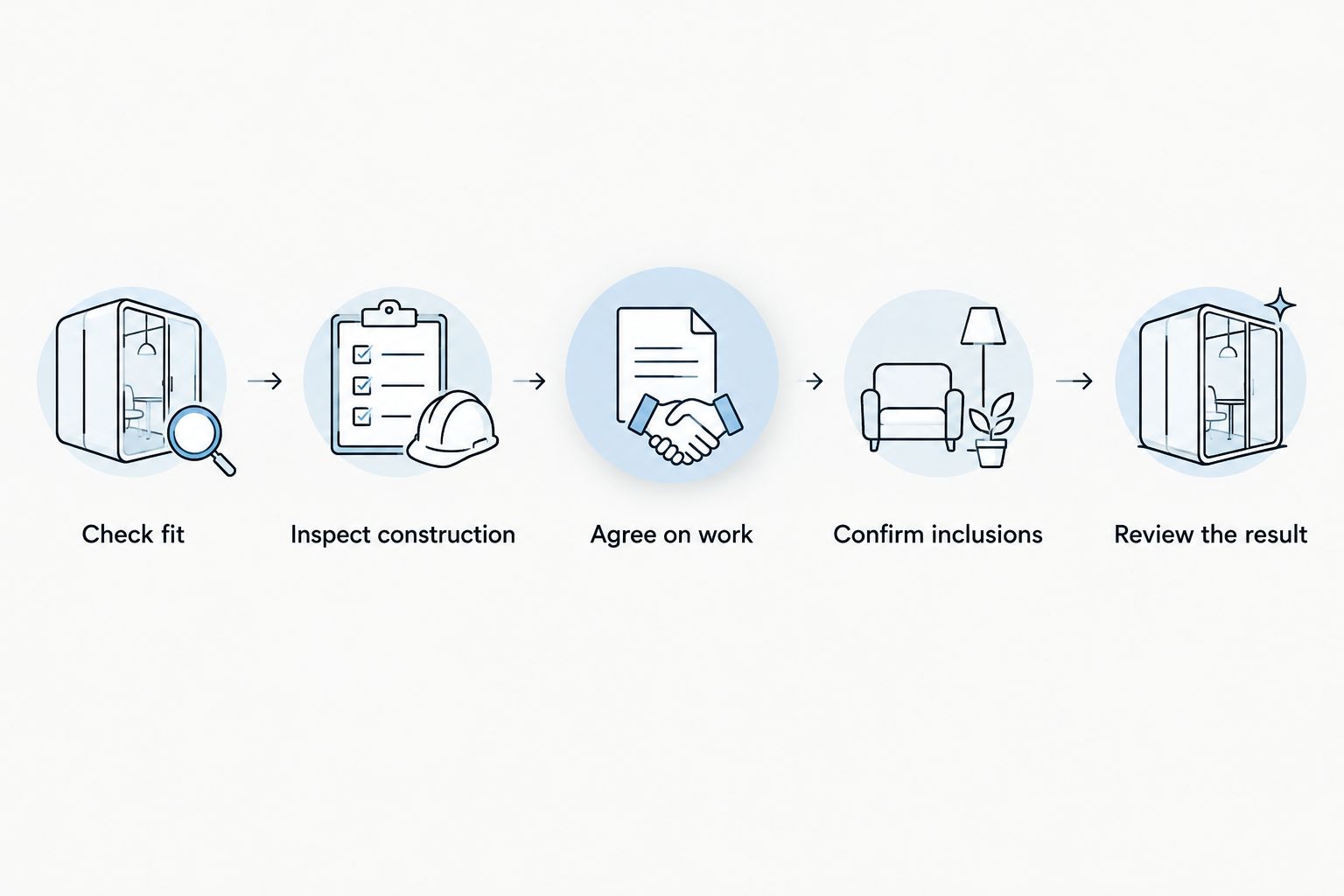
- Check fit. Describe when the ring feels tight or loose, and have the jeweler assess it on the intended finger.
- Inspect construction. Ask the jeweler to examine the band, settings, finish, engraving, and previous repair areas.
- Agree on work. Confirm the proposed size, alteration method, necessary repairs, and details to preserve.
- Confirm inclusions. Get a written description of stone checks, finishing, plating when applicable, and any separate work.
- Review the result. At collection, check comfort, appearance, and the completed work with the jeweler.
Keep the written scope with your ring records. If additional damage appears during the work, ask the jeweler to contact you before making changes beyond that scope.
For your 2026 appointment, bring any available repair history and explain whether the engagement ring is normally worn beside a wedding band. Rings worn together can feel different from the engagement ring alone.
Should you resize the ring or use a fit adjustment?
Choose a permanent resize for a consistently incorrect fit; discuss alternatives when the ring fits your knuckle but turns at the base of your finger. Sizing beads and removable adjusters address different problems and are not interchangeable with rebuilding a band.
| Approach | Best for | Main benefit | Main limitation |
|---|---|---|---|
| Permanent resizing | A consistently incorrect size in a suitable ring | Changes the band’s circumference | Alters the ring and requires a construction assessment |
| Sizing beads | A ring that turns but must still pass over a larger knuckle | Reduces movement at the finger’s base | Does not suit every hand or setting |
| Removable adjuster | A temporary fit issue while awaiting assessment | Avoids an immediate permanent alteration | Can feel bulky and needs regular inspection |
| Replacement mounting | A setting that cannot safely accept the required change | Allows a different fit or construction | Changes more of the original ring |
Sizing beads are small metal additions inside the band, not a universal solution for an oversized ring. A removable adjuster also does not repair worn metal or secure loose stones.
Balacia is best for engagement ring shoppers who want to discuss custom design options alongside their purchase. That is a different conversation from promising that an existing ring can be resized: your ring still needs its own assessment.
Is it easier to make an engagement ring smaller or larger?
Neither direction is automatically easier; the band’s construction and required change determine the work. Making a ring smaller can disturb settings, while making it larger can require added metal and finish restoration.
Ask how the proposed change affects your exact ring. A simple answer based only on “up” or “down” leaves out the details that protect its structure.
Can you resize an engagement ring more than once?
Some engagement rings can be resized again, but previous work changes what the jeweler needs to inspect. Existing joints, thinning metal, and the condition of the settings matter more than a blanket rule about repeat alterations.
Tell the jeweler about earlier resizing even if the ring looks unchanged. Do not treat past success as proof that another alteration is safe.
How do you know the finished ring fits correctly?
A well-fitting engagement ring should feel secure at the base of your finger and pass over the knuckle with some resistance, without causing pain. Your jeweler should evaluate the fit with you rather than relying only on the size marked on a tool.
At collection, check the ring beside your wedding band if you normally wear them together. Look at the lower band, finish, inscription, and setting, and raise any concern before leaving.
FAQ
How much does it cost to resize an engagement ring in 2026?
Engagement ring resizing requires an individual quote based on metal, construction, condition, and the requested adjustment. Ask whether stone tightening, finishing, and any necessary plating are included.
Is engagement ring resizing included when I buy a ring?
Resizing coverage depends on the seller’s policy for the exact purchase. Confirm eligibility, conditions, and any separate work before authorizing an alteration.
Can every diamond engagement ring be resized?
No, not every diamond engagement ring can be resized safely. Full-eternity construction, unusual materials, and extensive wear can limit the options.
Will resizing damage my engagement ring’s diamond?
Resizing requires a method suited to the stone, setting, and metal. Have the jeweler inspect stone security and explain how the stones will be protected during the work.
Does a lab-grown diamond make resizing different?
A lab-grown center diamond does not by itself determine the resizing method. The band’s metal, stone placement, construction, and condition guide the assessment.
Can I wear my engagement ring if it keeps slipping off?
Stop wearing an engagement ring that slips off easily until its fit is addressed. Store it securely and arrange a professional sizing assessment rather than risking its loss.
Should I resize my engagement ring before choosing a wedding band?
Assess the engagement ring’s fit with the wedding band you plan to wear beside it. The combined fit helps the jeweler recommend an adjustment that suits how you actually wear the rings.
One last thing
A spinning ring is not always a ring that needs a smaller circumference. A larger knuckle and a narrower finger base can leave a ring turning even when it is difficult to remove. Describe both problems before agreeing to a permanent reduction.
Before committing to an alteration in 2026, speak with a Balacia jewelry expert for help understanding your engagement ring purchase or discovering a meaningful jewelry gift within your budget. For the existing ring, prioritize a documented assessment that respects both its structure and its story.
Related guides
- Measure your ring size at home
- Trade in an old diamond ring for a new setting
- Schedule a virtual diamond consultation
- Engrave a personal message on your wedding band